Preparing Your School Facility for the Summer Build Window
For many school districts, summer represents the most critical construction window of the year. Whether addressing Health & Life Safety requirements, completing renovations, or advancing multi-year bond programs, the months between the last bell and the first day of classes is very compressed and leaves little wiggle room.
Successful summer construction doesn’t begin in June. It is the result of disciplined planning, early coordination, informed decision-making, and proven construction management practices implemented well before summer kicks off. When supporting PK–12 districts through both single-campus projects and district-wide improvement programs, the following essentials separate smooth summer projects from those that struggle to be delivered on schedule and within budget.
1. Start Planning Earlier Than You Think
Districts often underestimate how much groundwork is required before summer construction can begin. Long-lead material procurement, early bid packages, permitting timelines, and Health & Life Safety reviews all impact whether work can truly start on day one of summer break.
Preconstruction planning with a Construction Management approach enables districts to:
- Validate budget assumptions and alternates before bidding
- Identify scope items best suited for summer completion versus future phases
- Sequence work strategically to maximize the limited student-free window
Projects that move into summer without these decisions being finalized reduce predictability and place added pressure on both schedule and contingency.
2. Define Clear Summer Priorities
Not all scopes are created equal when time is limited. The most successful districts clearly define what must be completed before students return versus what can continue during the school year.
High-priority summer scope typically includes:
- Safety and security upgrades (secure entries, fire protection, alarms)
- Major MEP shutdowns or tie-ins
- High-impact interior renovations
- Floor, ceiling, and finish work in unoccupied spaces
- Driveway/parking lot enhancements that impact traffic patterns
Establishing these priorities early allows the construction team to align manpower and sequencing accordingly.
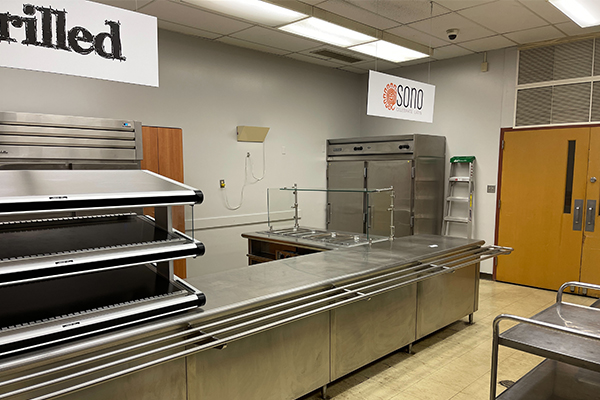
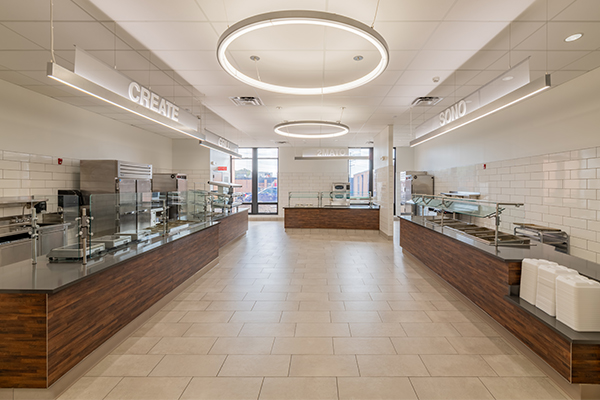
BEFORE
AFTER
3. Align Phasing With Educational Operations, Not Just Construction Logic
While summer provides temporary relief from daily occupancy, many campuses still host summer school, athletics, maintenance programs, or community use. Effective summer plans reflect how the facility actually operates, not just how drawings are organized.
Strong phasing strategies to consider:
- Student, staff, and visitor access points
- Temporary circulation and egress paths
- Protection of completed areas
- Clear separation between construction zones and occupied spaces
This alignment supports safety, reduces disruption, and builds trust with administrators and staff who are preparing for the upcoming school year in parallel with construction.
4. Lock Down Procurement & Early Subcontractor Engagement
Summer schedules are short. A proactive Construction Management approach emphasizes early subcontractor involvement, bid timing, and material procurement, especially for systems with extended lead times.
Proactive procurement planning:
- Reduces exposure to supply-chain and price volatility
- Allows work to start immediately when summer begins
- Creates clearer coordination across trades during compressed schedules
When procurement decisions are guided by constructability reviews and real-world delivery timelines, summer execution becomes far more predictable.
5. Maintain Consistent, Predictable Communication
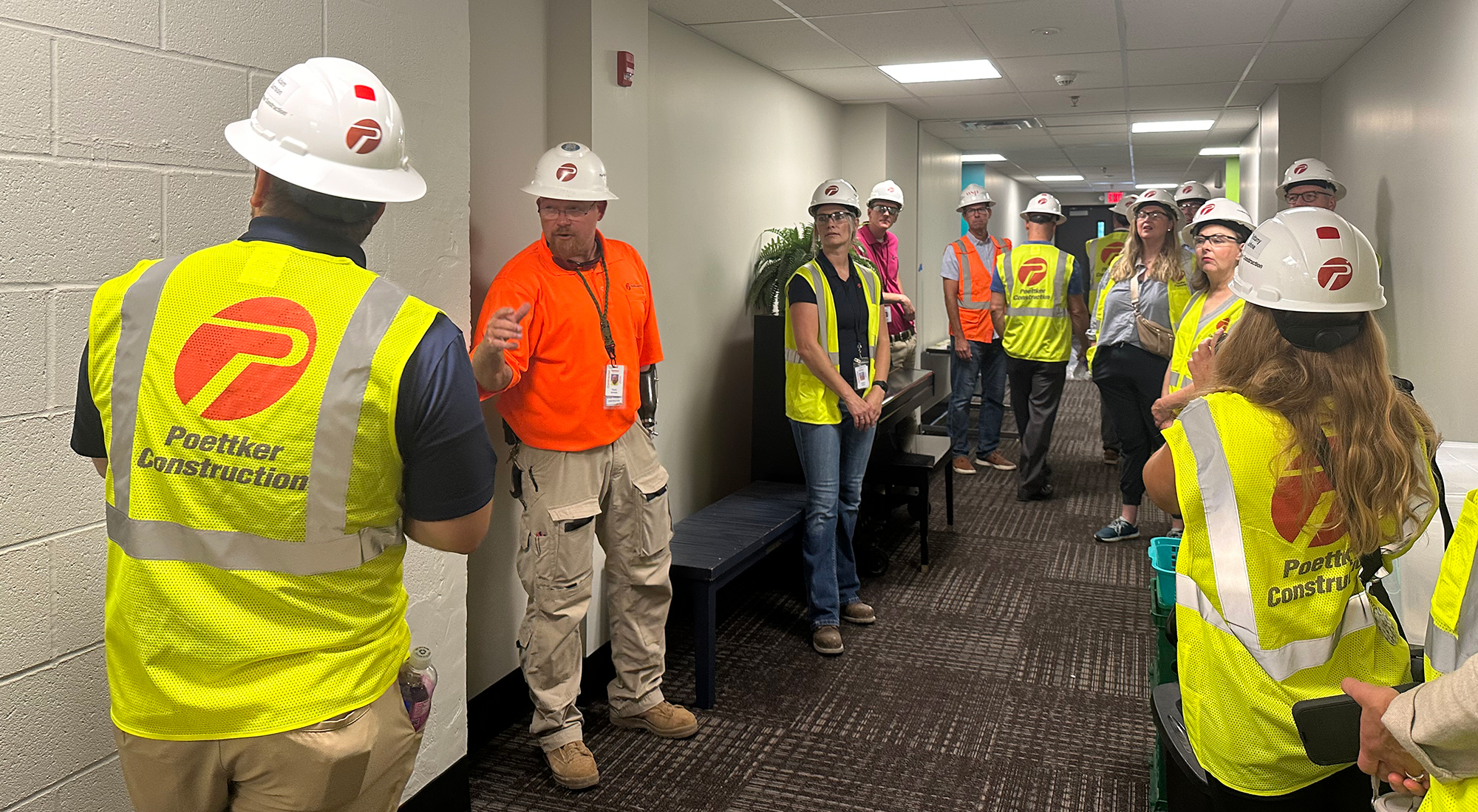
Summer projects move fast, and communication gaps quickly turn into field conflicts or schedule impacts. Clear roles, consistent updates, and transparent reporting across all stakeholders are essential.
Effective summer communication includes:
- Weekly look-ahead schedules that reflect real progress
- Daily coordination among trades and facilities staff
- Early identification of issues requiring owner decisions
When administrators check in on the progress, there should be no surprises — only confirmation that the plan is working.
6. Plan Turnover with the First Day of School in Mind
Substantial completion dates don’t always align with operational readiness. The best summer projects plan backward from the first day students return and include adequate time for inspections, facility start-up training, furniture installation, and staff setup.
Turnover planning should account for:
- Phased inspections and commissioning
- Technology and security system testing
- Custodial access and cleaning
- Staff orientation to new or renovated spaces
A successful summer project isn’t just finished; it’s ready for learning on day one.
Setting the Stage for Long-Term Success
Summer construction is about more than speed. It’s about safety, stewardship of public funds, and minimizing disruption to the educational mission. With early planning, disciplined phasing, and strong collaboration, educators can take full advantage of facility upgrades over summer break while reducing impact to the learning environments they so carefully curate for future generations.